What Bail Actually Is Under Ohio Law — Not a Loophole, a Constitutional Tool
Hocking County Desk · 2026-08-21 · 4 minute read

Bail is one of the most misunderstood words in a Logan living room. Some people treat it as a fine you pay to make a charge disappear. Others treat it as a trick for people who can afford to leave jail while everyone else sits. Ohio law says something plainer. Under the Revised Code, bail is security for the appearance of an accused person to answer a specific charge. Article I, Section 9 of the Ohio Constitution makes most people bailable by sufficient sureties, with serious exceptions when the proof is evident and a person poses a substantial risk of serious physical harm. Excessive bail shall not be required. None of that language is a loophole. It is a constitutional tool that still answers to the court.
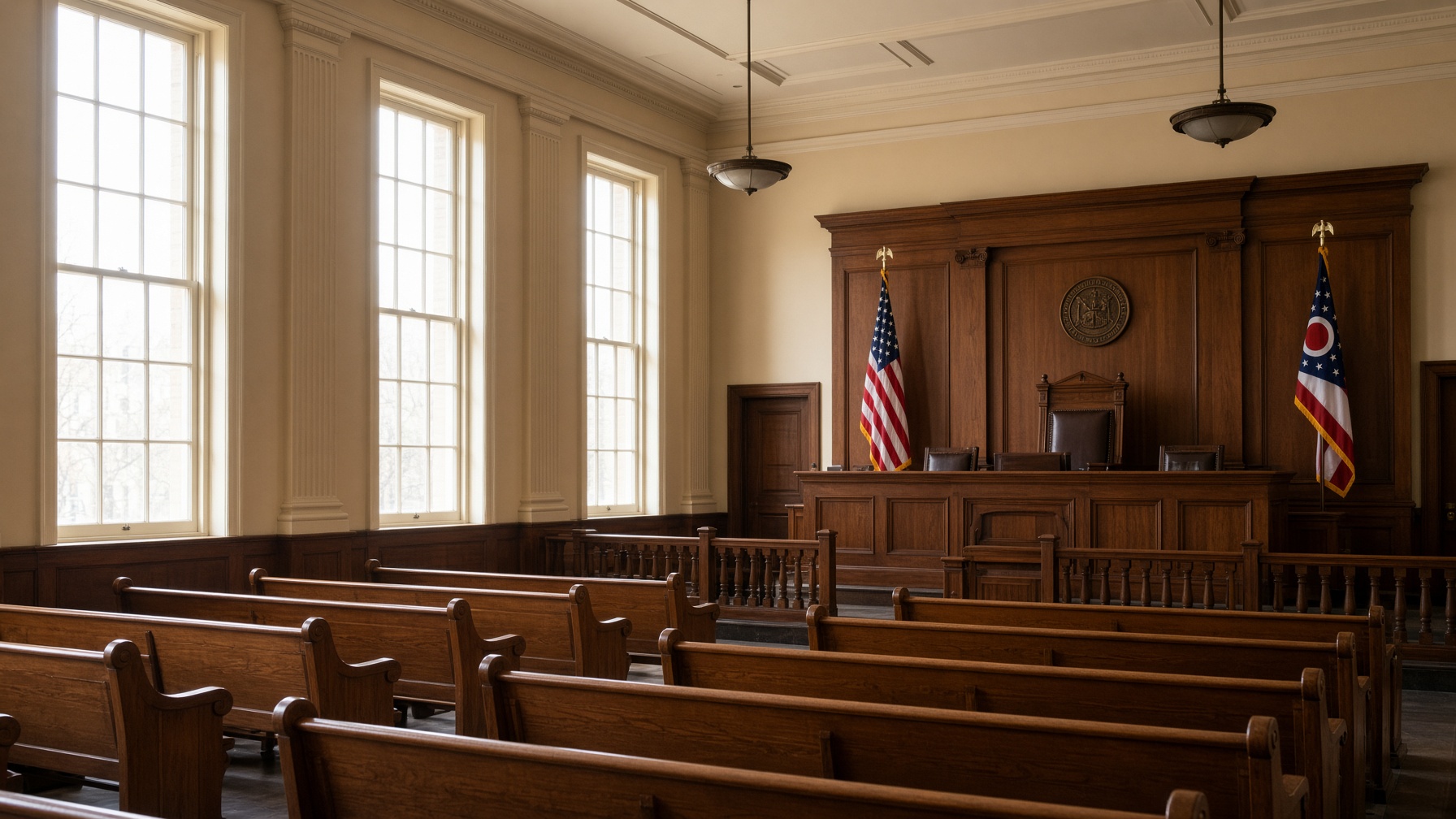
When a Hocking County judge sets bond, that judge is doing two jobs at once: reasonably assuring appearance in Municipal Court on West Hunter Street or in Common Pleas on East Main Street, and considering public safety, including the seriousness of the offense and the person's record. House Bill 191 and Revised Code 2937.011 instruct courts to use the least restrictive conditions that will still protect the community and keep the defendant from obstructing the process. Judge Frederick T. Moses and Judge Jason Despetorich do not set numbers in a vacuum. They set them as officers of a court that will see the same defendant again.
A surety bond is one lawful way to meet those conditions. A licensed bondsman posts a guarantee with the court so the accused can be released from the Southeastern Ohio Regional Jail in Nelsonville and return to work, to children, and to a landlord who still expects rent on Friday. The premium paid to the surety is the cost of that guarantee, not a payment to the court and not a settlement of the charge. Cash deposits, unsecured bonds, and recognizance releases are other tools the law allows when the court finds them sufficient. Whatever form the bond takes, the defendant remains under the court's authority. Conditions can include no-contact orders, travel limits, and a demand to appear at every setting on the docket.
This is why we talk about bail in the same breath as law and order. Release is not a finding of innocence. Detention without bond, when the law allows it, is not a finding of guilt. Both are pretrial decisions. Sheriff Lanny E. North's deputies and Logan Police Chief Jerry Mellinger's officers have already done their work at the scene. The prosecutor will do the next work in the file. Counsel will do the defense work — and every defendant should have counsel, because a bondsman is not a lawyer and does not give legal advice. The judge holds the center. Bail lets a person who can be safely released keep a job in Hocking County while that process runs.
Families asking about bond after a weekend arrest often want a shortcut. There is not one, and there should not be one. If the court has held a person without bond because of a serious felony and a public-safety finding, no surety can talk that finding away. If the court has set a bond, posting it is how the family honors the court's decision. Judge Jonah M. Saving's Juvenile Court operates under its own statutes, and juvenile detention is not the same as adult bail. Adults facing Municipal or Common Pleas charges should read the bond papers, write down the next date, and call an attorney in the Hocking County Bar.
All Ohio / Hocking County Bail Bonds is a licensed Ohio surety serving Logan and the rest of the county. If a court has set a bond and a family needs help posting it so a worker can be home by the next shift, call (740) 232-9605 any hour. We will explain the surety process in plain language. We will not pretend the charge has gone away, and we will not speak against the judges, the prosecutor, or the officers who brought the case. Bail, used honestly, sends a person back to family and back to the courtroom.
Need Hocking County Bail Bonds tonight? Call All Ohio / Hocking County Bail Bonds at (740) 232-9605. Then call a lawyer.
Call (740) 232-9605